
Kontaridis Lab

The Kontaridis lab is focused on understanding the mechanisms causal to the development of congenital heart diseases, heart failure, diabetes/obesity, autism, autoimmune disorders, gastrointestinal diseases, and cancer. Her research is rooted in identifying novel genetic mutations and determining their effects on the cellular and molecular pathways that ultimately modulate development, severity, and pathogenicity of these conditions. With a commitment to advancing scientific understanding, Dr. Kontaridis strives to uncover transformative mechanistic insights that can lead to the development of novel therapeutics for these disorders in the near future.

News From The Kontaridis Lab

Read the publication on Science Signaling here.

A groundbreaking new study led by researchers at the Masonic Medical Research Institute (MMRI) has identified a promising molecular target to protect the heart against damage caused by high-fat diet and obesity. The study, published this week in the leading journal Science Signaling, highlights the protein tyrosine phosphatase PTP1B, a nodal enzyme involved in insulin signaling, as a key driver in maladaptive cardiac metabolism and dysfunction under dietary stress.

Areas of Investigation

Dr. Kontaridis’ independent research program focuses on the fundamental mechanisms underlying congenital heart disease and end-stage heart failure, as well as the processes that lead to abnormal development, aberrant signaling and disease onset of lupus, diabetes/obesity, gastrointestinal disease, autism, and cancer. The core of her research lab is focused on protein tyrosine phosphatases and the mechanisms that lead to downstream aberrant signaling. She uses a myriad of tools and techniques in the lab, including inducible pluripotent stem cells (iPSCs), in vivo mouse model systems, and molecular biology techniques. Together, these provide valuable mechanistic and functional information in understanding the differential signaling pathways that cause disease and allow for an individualized approach to therapeutic targeting.

Play Video

Lab Focus

RASopathy Disorders

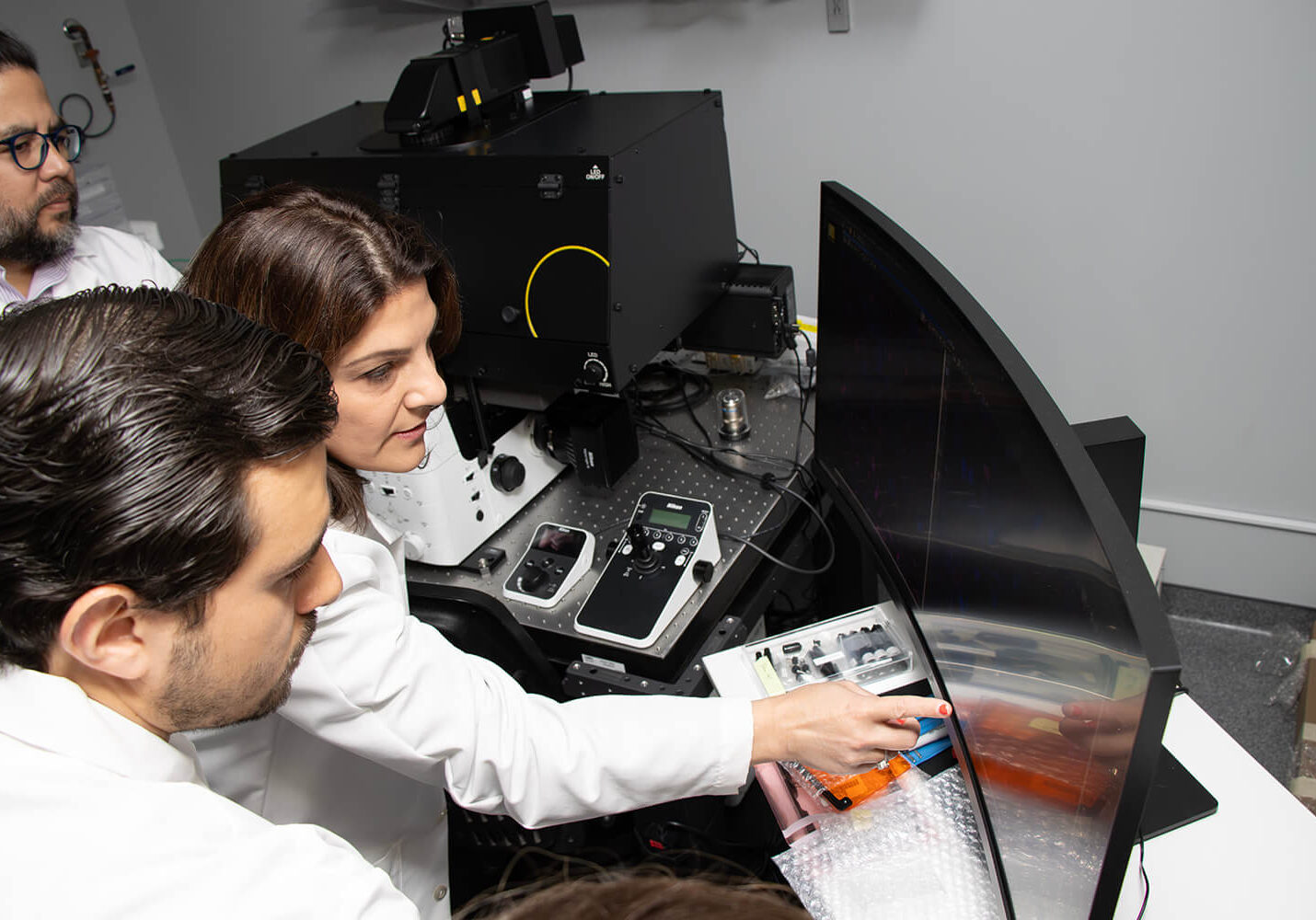
Lab researchers working on disease research

Dr. Kontaridis is invested in the study of congenital heart disease, heart failure and metabolic cardiomyopathies, including heart failure with preserved ejection fraction (HFpEF), dedicating her research efforts to unraveling the mechanisms causal to these diseases. Her research is not just about discovering new knowledge but is also geared towards translating these findings into effective treatments that could significantly improve patient outcomes. Currently, she is focused on studying the functions of both the SH2 domain-containing protein tyrosine phosphatase (SHP2), the Protein tyrosine phosphatase 1B (PTP1B), and the phosphoglycolate phosphatase (PGP) in heart development and disease.

Phosphatase dependent and independent functions of SHP2

Dr. Kontaridis' research on SHP2 has unveiled novel functional dimensions for this phosphatase. Notably, Dr. Kontaridis was the first to uncover that mutations associated with NSML are loss-of-function and render SHP2 catalytically inactive, whereas mutations in NS are gain-of-function and lead to increased activity of SHP2. This paradigm-shifting revelation has transformed the understanding of phosphatase function within cellular signaling networks, advocating for a mutational-based approach in distinguishing RASopathies as well as created an opportunity to consider the role of these enzymes in phosphatase-dependent versus independent capacities in mediating downstream molecular signaling effects.

Woman working in a lab coat.

Lupus

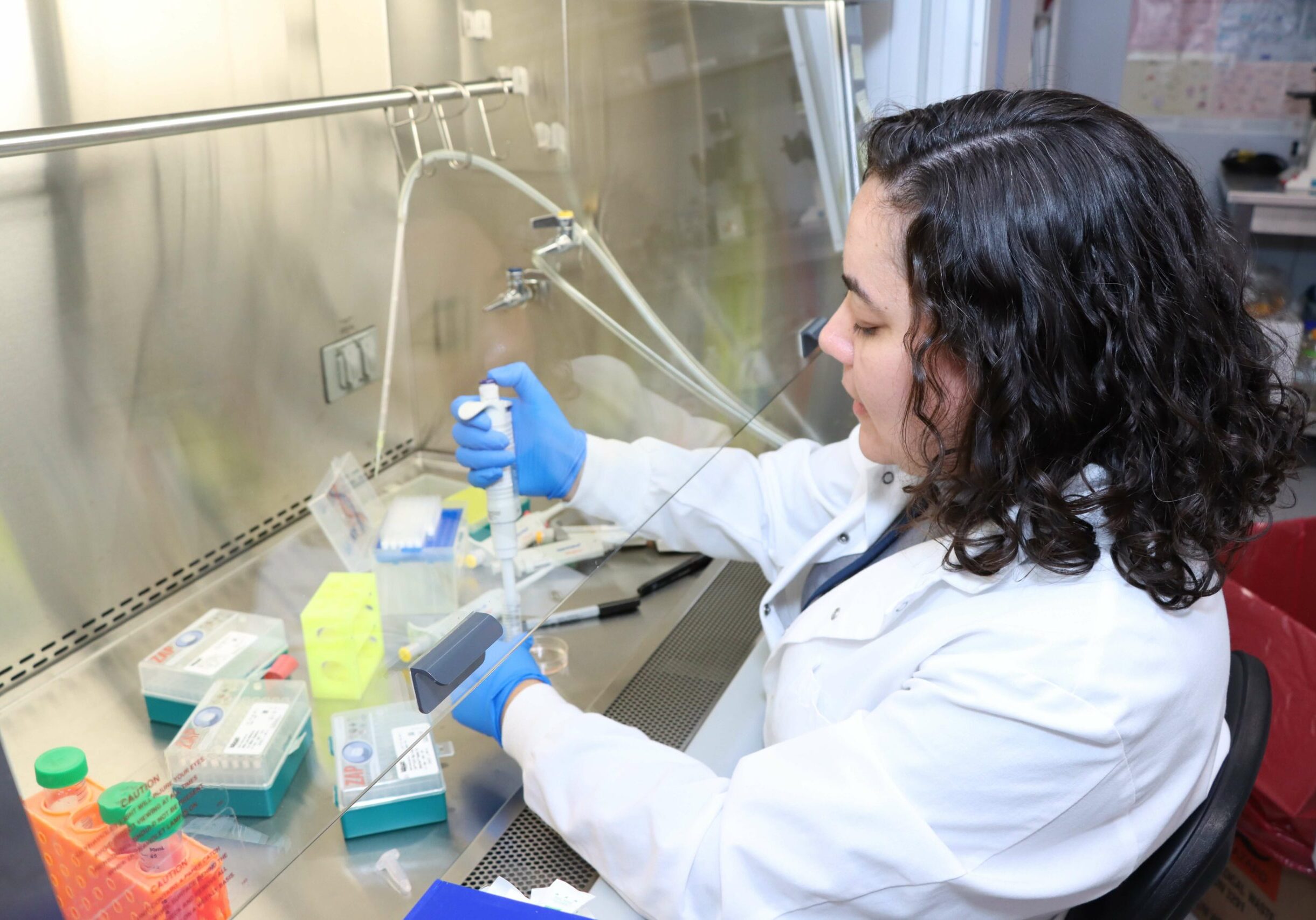
Lab worker using a dropper.

Systemic lupus erythematosus (SLE) is a devastating autoimmune disorder characterized by widespread inflammation. However, the molecular mechanisms causal to SLE, as well as the identification of targeted therapies, remain largely unknown. Dr. Kontaridis is investigating the potential mechanisms associated with development of SLE. Her findings reveal a compelling link between heightened SHP2 activity and SLE; elevated SHP2 activity leads to increased proliferation of cytotoxic T cells and exacerbated lupus pathogenicity. In a groundbreaking endeavor, she explored the therapeutic potential of a novel SHP2 inhibitor in alleviating SLE symptoms. Remarkably, her experimental results demonstrated that inhibition of SHP2 not only extended lifespan but also mitigated fibrosis, reduced tissue inflammation, and diminished skin lesions in SLE. These compelling insights underscore the pivotal role of SHP2 in driving SLE progression and suggest that targeting SHP2 could offer a promising avenue for the development of innovative therapies to combat this debilitating autoimmune disease. In addition, the lab is working to delineate the mechanisms by which SHP2 mediates the activation of macrophage to induce onset of SLE. Moreover, since SLE is a multifactorial disease, she is also actively working to understand the precise genetic and molecular mechanisms associated with myocarditis and lupus nephritis (LN), two devastating effects of SLE, to identify specific and targeted therapies to treat patients with these aspects of this disorder.

Protein Tyrosine Phosphatases (PTPs)

Dr. Kontaridis is invested in the study of congenital heart disease, heart failure and metabolic cardiomyopathies, including heart failure with preserved ejection fraction (HFpEF), dedicating her research efforts to unraveling the mechanisms causal to these diseases. Her research is not just about discovering new knowledge but is also geared towards translating these findings into effective treatments that could significantly improve patient outcomes. Currently, she is focused on studying the functions of both the SH2 domain-containing protein tyrosine phosphatase (SHP2), the Protein tyrosine phosphatase 1B (PTP1B), and the phosphoglycolate phosphatase (PGP) in heart development and disease.
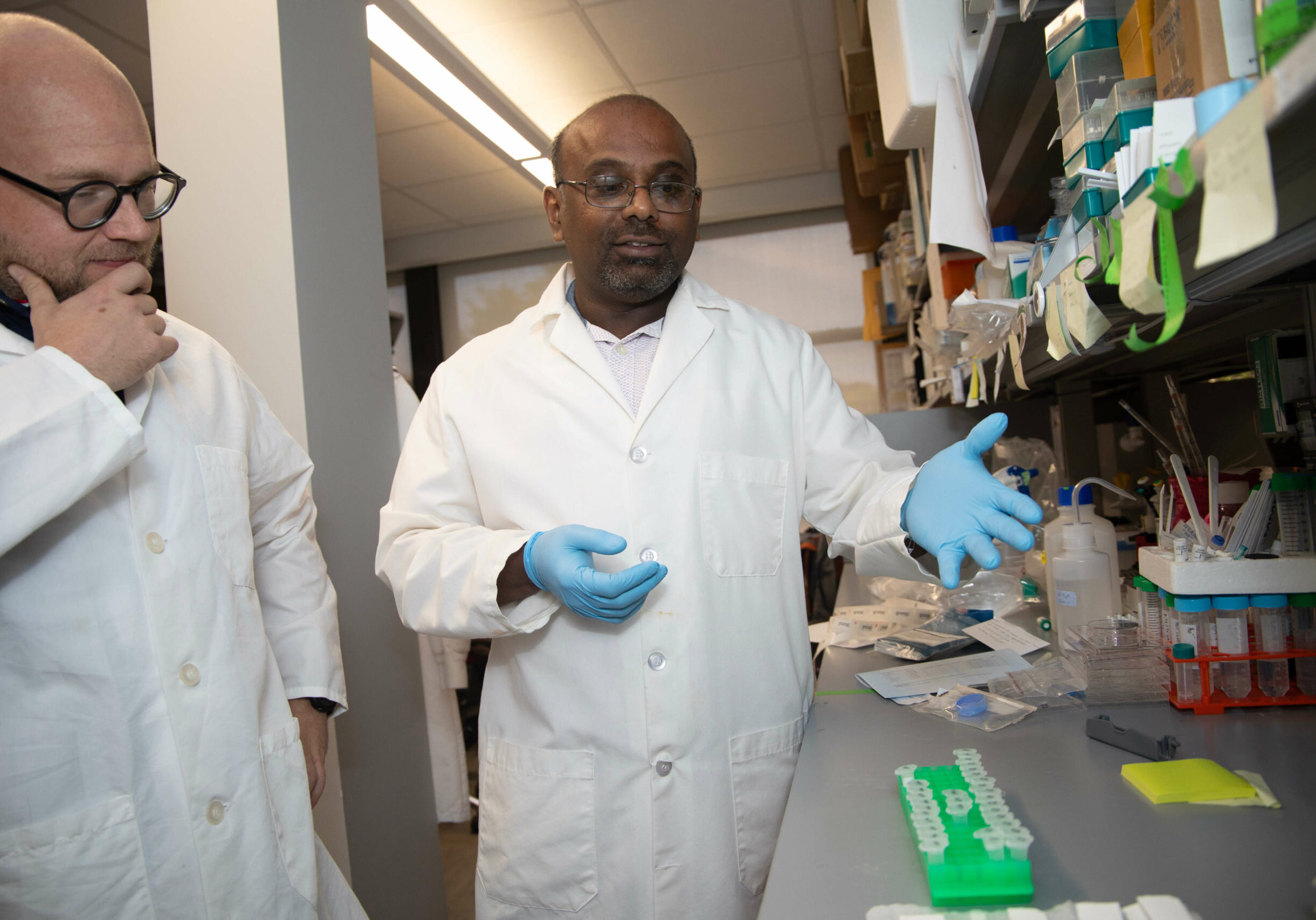
Lab workers discussing their research

Autism

Lab technician working on a lab project.

Autism affects one out of every 36 children. Dr. Kontaridis’ lab is focused on understanding the genetics of autism. She is evaluating the genetic sequences of all family members with generational cases of autism to try to identify novel familial causes of this disorder. Already, her work has identified a link between congenital heart disease and autism and is working to identify therapeutic targets for intervention early. In addition, she is working to assess phenotype:genotype correlations for incidence of autism in the upstate NY area. In partnership with several autism foundations, her lab is working to conduct a study to identify a link between genetic, environmental, and socioeconomic determinants to the development of autism.

Diabetes/Obesity

Characterized by diastolic dysfunction, myocardial stiffness, and preserved systolic function, HFpEF represents a significant and increasing portion of heart failure cases. Despite its prevalence, the molecular mechanisms underlying HFpEF remain poorly understood, and effective therapeutic targets are lacking. The Kontaridis lab is interested in a novel phosphatase that may be involved in the regulation of cardiac metabolism. The lab is focused on determining a role for phosphatases in HFpEF. Specifically, PTP1B is a critical protein tyrosine phosphatase involved in a variety of cellular signaling pathways, including metabolism, inflammation, and cardiovascular function. Importantly, Dr. Kontaridis’ lab has shown that PTP1B plays a crucial role in high fat diet (HFD)-induced cardiac hypertrophy and fibrosis, key features of HFpEF. The current work in the lab, therefore, is focused on whether PTP1B is a nodal enzyme required for the regulation of HFpEF through aberrant regulation of downstream signaling. In addition to PTP1B, the lab is also interested in assessing the function of another novel phosphatase, PGP, in the heart and in metabolic signaling.
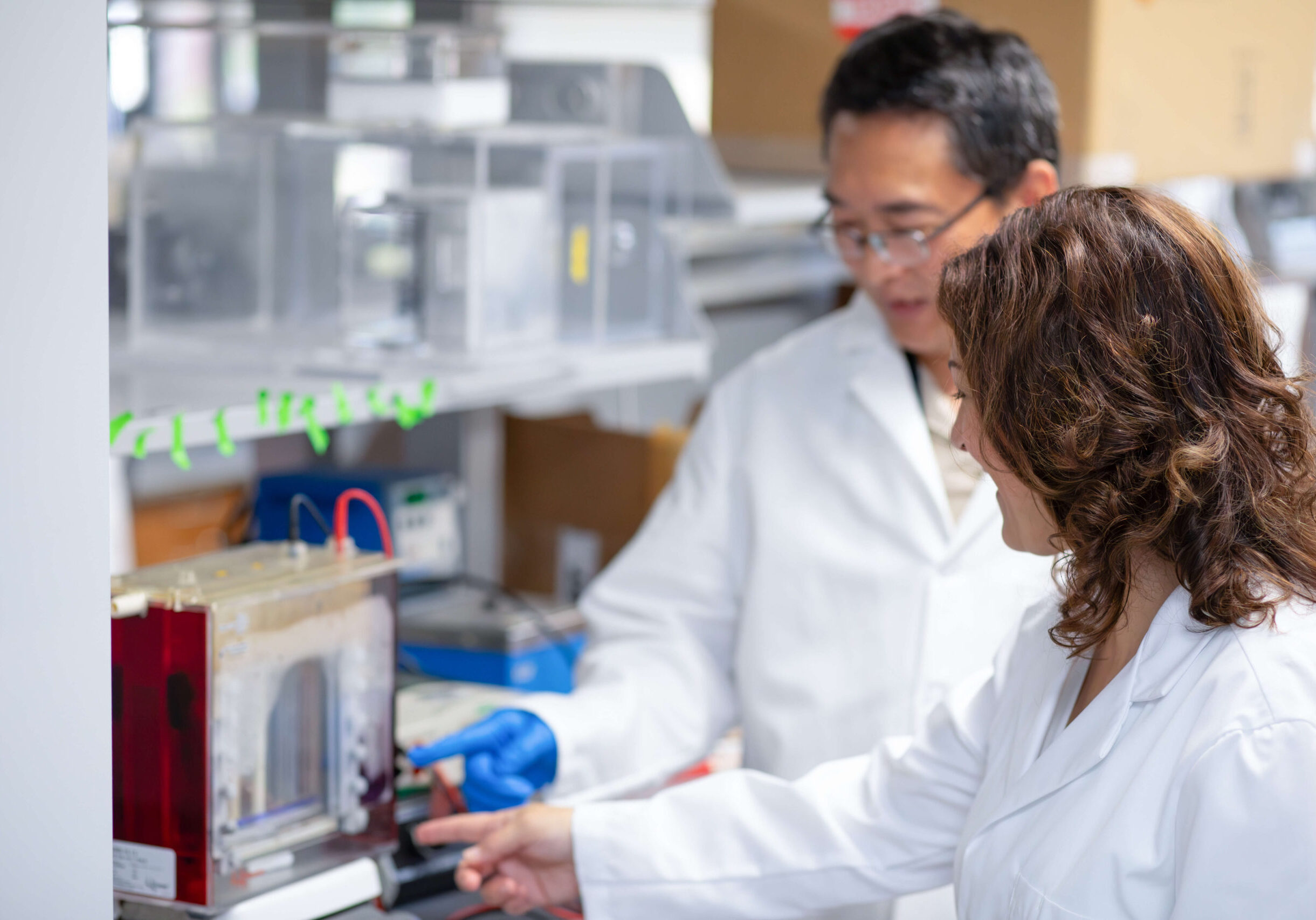
scientists looking at an experiment

Channelopathies

Lab tech working on a research project

The Kontaridis lab is also working to delineate the molecular and cellular underpinnings of genetically induced cardiac channelopathies, including short QT (SQT), long QT (LQT), and Brugada syndromes, rare congenital heart disorders that cause life-threatening cardiac arrhythmias.  Her studies encompass studying novel gene mutations that gives rise to disparate arrhythmias, including in the TRPM4, calcium, potassium, sodium and/or ryanodine receptor channels.


Heart Failure, Inflammation, and Fibrosis

The Kontaridis lab is also deciphering the mechanisms that affect cardiac fibrosis, induce heart failure and/or cardiometabolic disorders. Dr. Kontaridis discovered that the Rho GTPase RhoA, an enzyme regulated in part by SHP2, is involved in transitioning compensatory cardiac hypertrophy to heart failure. Moreover, it is involved in fibrosis, making RhoA and its downstream effectors attractive targets for therapeutic approaches in treating cardiac disease. Our projects on RhoA involve elucidating signaling pathways involved in fibrosis, inflammation, and in the onset of end-stage heart failure.


Hands closing a capsule
Dr Kontaridis Ph.D. Headshot

Meet Dr. Maria I. Kontaridis

Executive Director / Gordon K. Moe Professor and Chair of
Biomedical Research and Translational Medicine / Director of Research

mkontaridis@mmri.edu

Dr. Maria Irene Kontaridis is the executive director, Gordon K. Moe professor and chair of biomedical research and translational medicine, and the director of research at MMRI. She also holds a part-time faculty appointment as an associate professor of medicine at Harvard Medical School and Beth Israel Deaconess Medical Center (BIDMC), Department of Medicine/Division of Cardiology in Boston, Massachusetts. Dr. Kontaridis received her undergraduate degrees (B.A. and B.S.) from the University of Florida, Gainesville, Florida, in classics and chemistry and subsequently obtained her master’s degrees in pharmacology and biomedical and biological sciences from Yale University, New Haven, Connecticut, in 1999 and 2001, respectively. In 2002, she was awarded a Ph.D. from Yale University for work with Dr. Anton Bennett on the role of protein tyrosine phosphatases, especially SHP2, in cell growth and skeletal muscle differentiation. Dr. Kontaridis' interest in continuing to work on SHP2 phosphatase led her to accept a postdoctoral position with Dr. Benjamin Neel, at Beth Israel Deaconess Medical Center (BIDMC) in 2003. Her work as a postdoctoral fellow garnered extramural support from the American Heart Association and the NIH Pathway to Independence Award (K99/R00). In 2007, Dr. Kontaridis was promoted to instructor, and in 2008, was recruited to the Department of Medicine, Division of Cardiology at BIDMC as an assistant professor of Medicine at Harvard Medical School. In 2015, she was named director of basic cardiovascular research at BIDMC and in 2016 was promoted to associate professor of medicine at Harvard Medical School. In 2018, Dr. Kontaridis became the director of research at MMRI in Utica, New York, and in 2020 was promoted to executive director. Her work has been awarded grants from the Milton Foundation, the Children’s Cardiomyopathy Foundation, the Saving Tiny Hearts Foundation, the Harvard Stem Cell Institute, the Alliance of Lupus Research, Lupus and Allied Diseases, Inc., the American Heart Association (AHA), Department of Defense (DOD), and the National Institutes of Health (NHLBI-R01s and NCATS-TRND), and has garnered support from industry and pharmaceutical companies (Onconova, Novartis, GSK, Arqule).

Lab Members

Gary Aistrup headshot

Gary Aistrup, Ph.D.

Research Scientist

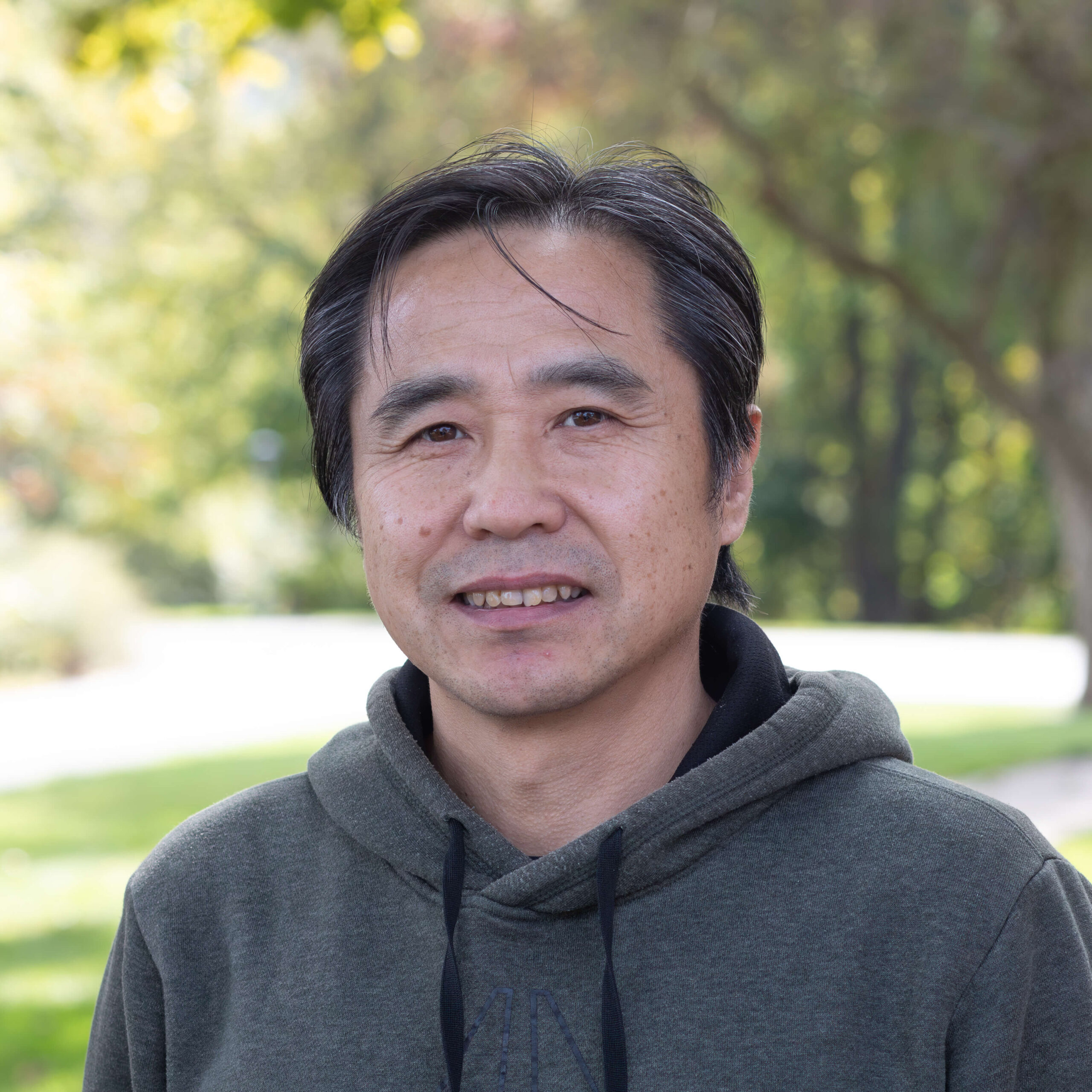
Aistrup holds a bachelor’s degree in chemistry from Fort Hays State University, Hays, Kansas and a Ph.D. in Biochemistry from the University of Kansas, Lawrence Kansas. Aistrup has more than 20 years of experience.

Saravanakkumar Chennappan headshot

Saravanakkumar Chennappan, Ph.D.

Research Scientist

Chennappan holds a bachelor’s of technology degree in biotechnology from Bharathidasan University in Tamil Nadu, India, and a master’s in developmental cell biology from the University of Sussex, Brighton, United Kingdom and an elite master’s in experimental and clinical neurosciences from the University of Regensburg, Regensburg, Germany.

IMG_9124-Copy-scaled.jpg

Yankun Lyu, M.D., Ph.D.

Research Scientist

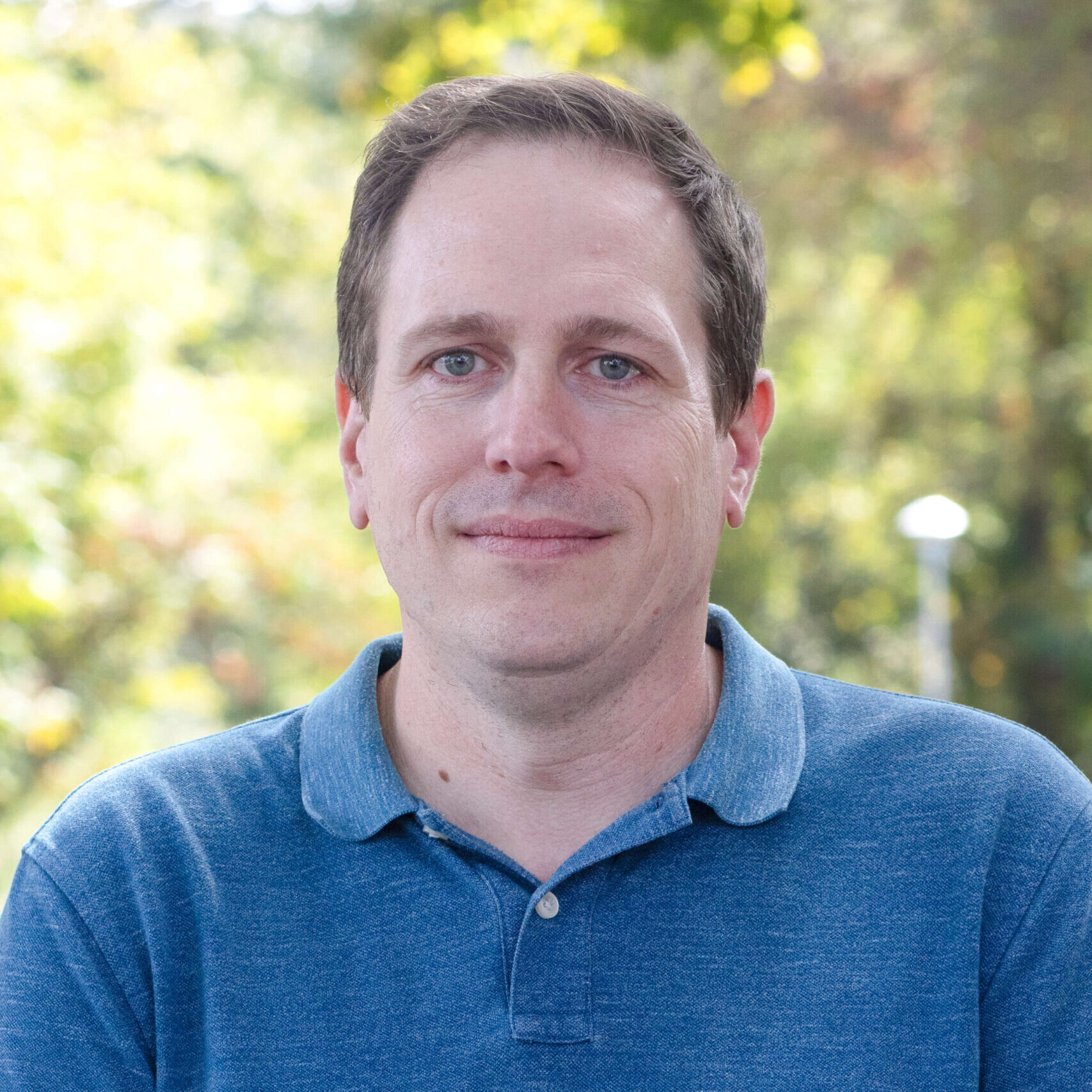
Lyu holds a Ph.D. and doctor of medicine degree from Hebei Medical University, Shijiazhuang, Hebei Province, China. Lyu has over 20 years of experience in cardiovascular research, clinical medicine and biomedical technology.

Greg Wang Ph.D. Headshot

Greg Wang, Ph.D.

Research Scientist

Wang holds a Ph.D. in pharmacology and toxicology from the University of Louisville, Louisville, Kentucky. Wang started at MMRI in 2024 with a diverse research portfolio including cardiology, lupus and gastroenterology.

Bing Xu headshot

Bing Xu, Ph.D.

Research Scientist

Xu holds a Ph.D. in molecular biology from China Agricultural University, Beijing, China. Xu joined MMRI in 2018 and focuses on investigating the role of RhoA in the molecular pathogenesis of heart disease.

Samantha Le Sommer, Ph.D.

Samantha Le Sommer, Ph.D.

FACS Core Manager and Postdoctoral Fellow

Le Sommer holds a bachelor’s degree in immunology from the University of Edinburgh, Edinburgh, Scotland and a Ph.D. in medicine from the University of Aberdeen, Aberdeen, Scotland. Le Sommer joined MMRI in 2021 and focuses on lupus research.

Abhishek Mishra head shot

Abhishek Mishra, Ph.D.

Postdoctoral Fellow

Mishra holds a Ph.D. from Dalhousie University, Nova Scotia, Canada. Mishra joined MMRI in 2024 with a focus on heart failure and potential regenerative therapies.

Ryan Pfeiffer headshot

Ryan Pfeiffer

Research Associate II and Genetics Core Manager

Pfeiffer holds a bachelor’s degree in bioinformatics and molecular biology from Rensselaer Polytechnic Institute, Troy, New York. Pfeiffer joined MMRI in 2003 and spearheads clinical laboratory operations and pursues research on the molecular basis of inherited cardiac arrhythmias.

Robert Goodrow Headshot

Robert Goodrow

Research Associate and Electrophysiology Core Manager

Goodrow started with MMRI in 1980 with a focus on electrophysiology.

Ariana Dela Posta headshot

Ariana Della Posta

Research Assistant/Lab Manager

Della Posta holds a bachelor’s degree in biology from the University of Albany, Albany, New York. Della Posta joined MMRI in 2023 and assists the senior researchers with conducting research.

Past Members

Yuesheng Wu, 1997-2019
Mayurika Desai, 2003-2018
Paul Bradley, B.S., 2007-2008
Benjamin Davies, M.D., 2008-2009
Kimberly Keith, BSN, RN, 2009
Talita Marin, M.S., 2009-2010
Prajna Guha, Ph.D., 2009-2011
Sotiris Banakos, M.D., Ph.D., 2009-2010
Clare F. Malone, Ph.D., 2010
Maureen M. Canellas, M.D., 2010
Jessica Lauriol, Ph.D., 2010-2015
Soo Young Lee, B.S., 2011
Laura Smith, Ph.D., 2011
Jianxun Yang, Ph.D., 2011-2018
Qianwen Wang, Ph.D., 2011-2012
Sydnee Chavis, B.S., 2021
Eleni Geladari, M.D., 2021-2013
Charalambia Geladari, M.D., 2021-2013
Fabrice Jaffre, Ph.D., 2013-2018
Vasanth Chandrasekhar, B.S., 2013-2016
Janel Cabrera, Ph.D., 2014-2016
Ashbeel Roy, Ph.D., 2015-2017
Moon-Hee Yang, Ph.D., 2015-2016
Leena Kaikkonen, M.D., Ph.D., 2016-2019
Cheng Sun, Ph.D., 2016-2018
Stephanie Stroll, 2017-2018
Afnan Lebeche, 2017-2018
Valerie Saetzler, 2017-2018
Yuesheng Wu, 2018-2019
Ryan Pfeiffer, 2018-2020
Adife Gulhan Ecran-Sencicek, Ph.D., 2018-2021
Anna Miao, 2018-2019
Coralie Poizat, Ph.D., 2018-2021 and PT 2021-2023
Taylor Lawton, 2019-2020

Christopher Stedman, Summer 2019
Yan Sun, Ph.D., 2019-2024
Kelly Aromolaran, Ph.D., 2020
Levi Legler, 2020-2023
Sathya Unudurthi, Ph.D., 2020-2023
Joyce Bernardi, Ph.D., 2021-2022
Gregorio Miceli, Summer 2021
Jonathan Cordeiro, Ph.D., 2021
Samantha Tavarez, Summer 2021
Maurice Tang, Summer 2021
Luana Nunes Santos, Ph.D., 2021-2025
Eugenia Miliara, Summer 2022
Katherine Nelson, 2022-2023
Sandy Thai, 2022-2024
Emma Zupan, 2022-2023
Dominick Lomonaco, 2022-2023
Dasomie Kim, Summer 2023
Danielle Zuccaro, Summer 2023
Karlie McCumber, Summer 2023
Joseph DeTraglia, 2023, 2024
Sara Muhic Zukic, 2023-2024
Rebecca Caruso, Summer 2024
Richard Chen, Summer 2024
Mariah Foster, Summer 2024
Afomiya Kassie, Summer 2024
Nay Lin, Summer 2024
Alexandra Volo, Summer 2024
Juan Carlos Gutiérrez Suárez, M.D., M.Sc., 2024-2025
Natalie-Lorine Barber, Summer 2025
Genesis Campbell, Summer 2025
Riley Collis, Summer 2025
Amna Khan, Summer 2025
Claire Marshall, Summer 2025
Sandi Myint, Summer 2025


Publications

  1. Kaymakcalan Celebiler, H, Barak, T, Rai, DK, Kaya, I, Erbilgin, S, Cikili Uytun, M et al.. Exploring Molecular and Phenotypic Characteristics of NAGLU Arg234Gly and Asp312Asn Variants. Mol Syndromol. 2025;16 (4):342-353. doi: 10.1159/000542367. PubMed PMID:40771184 PubMed Central PMC12324730.
  2. Sunny, S, Radhakrishnan, RK, Devarajan, A, Masjoan Juncos, JX, Bansal, M, Ouyang, X et al.. Reductive stress induces unresolved ER stress and proteotoxic cardiomyopathy. Redox Biol. 2025;86 :103713. doi: 10.1016/j.redox.2025.103713. PubMed PMID:40729961 PubMed Central PMC12328899.
  3. Sun, Y, Mishra, AK, Chanrasekhar, V, Door, M, Kessinger, CW, Xu, B et al.. Deletion of PTP1B in cardiomyocytes alters cardiac metabolic signaling to protect against cardiomyopathy induced by a high-fat diet. Sci Signal. 2025;18 (896):eadp6006. doi: 10.1126/scisignal.adp6006. PubMed PMID:40694612 PubMed Central PMC12445919.
  4. Salyer, LG, Wang, Y, Ma, X, Foryst-Ludwig, A, Kintscher, U, Chennappan, S et al.. Modulating the Secretome of Fat to Treat Heart Failure. Circ Res. 2025;136 (11):1363-1381. doi: 10.1161/CIRCRESAHA.125.325593. PubMed PMID:40403114 .
  5. Schiattarella, GG, Kontaridis, MI. Interorgan Crosstalk in Heart Failure and Cardiometabolic Diseases: A Compendium. Circ Res. 2025;136 (11):1167-1169. doi: 10.1161/CIRCRESAHA.125.326720. PubMed PMID:40403104 PubMed Central PMC12265086.
  6. Chennappan, S, Kontaridis, MI. RASopathies in Cardiac Disease. Annu Rev Med. 2025;76 (1):301-314. doi: 10.1146/annurev-med-042823-013552. PubMed PMID:39576684 .
  7. Sun, Y, Dinenno, FA, Tang, P, Kontaridis, MI. Protein tyrosine phosphatase 1B in metabolic and cardiovascular diseases: from mechanisms to therapeutics. Front Cardiovasc Med. 2024;11 :1445739. doi: 10.3389/fcvm.2024.1445739. PubMed PMID:39238503 PubMed Central PMC11374623.
  8. Chouhan, S, Sridaran, D, Weimholt, C, Luo, J, Li, T, Hodgson, MC et al.. SHP2 as a primordial epigenetic enzyme expunges histone H3 pTyr-54 to amend androgen receptor homeostasis. Nat Commun. 2024;15 (1):5629. doi: 10.1038/s41467-024-49978-4. PubMed PMID:38965223 PubMed Central PMC11224269.
  9. Le Sommer, S, Sun, Y, Legler, L, Nelson, K, Coon, L, Bohler, D et al.. Detection and Eradication of a Demodex Infestation in Specific Pathogen-free High-barrier Laboratory Mouse Facility Housing Immunocompromised Animals. J Am Assoc Lab Anim Sci. 2024;63 (5):521-9. doi: 10.30802/AALAS-JAALAS-23-000092. PubMed PMID:38908907 PubMed Central PMC11467872.
  10. Winston, T, Song, Y, Shi, H, Yang, J, Alsudais, M, Kontaridis, MI et al.. Lineage-Specific Mesenchymal Stromal Cells Derived from Human iPSCs Showed Distinct Patterns in Transcriptomic Profile and Extracellular Vesicle Production. Adv Sci (Weinh). 2024;11 (28):e2308975. doi: 10.1002/advs.202308975. PubMed PMID:38757640 PubMed Central PMC11267277.
  11. Sommer, SL, Kontaridis, MI. Cardio-rheumatology: the cardiovascular, pharmacological, and surgical risks associated with rheumatological diseases in women. Can J Physiol Pharmacol. 2024;102 (9):511-522. doi: 10.1139/cjpp-2023-0420. PubMed PMID:38489782 PubMed Central PMC12788399.
  12. Pierpont, EI, Bennett, AM, Schoyer, L, Stronach, B, Anschutz, A, Borrie, SC et al.. The 8th International RASopathies Symposium: Expanding research and care practice through global collaboration and advocacy. Am J Med Genet A. 2024;194 (4):e63477. doi: 10.1002/ajmg.a.63477. PubMed PMID:37969032 PubMed Central PMC10939912.
  13. Bose, RJ, Kessinger, CW, Dhammu, T, Singh, T, Shealy, MW, Ha, K et al.. Biomimetic Nanomaterials for the Immunomodulation of the Cardiosplenic Axis Postmyocardial Infarction. Adv Mater. 2024;36 (8):e2304615. doi: 10.1002/adma.202304615. PubMed PMID:37934471 PubMed Central PMC10922695.
  14. Sheldon, C, Kessinger, CW, Sun, Y, Kontaridis, MI, Ma, Q, Hammoud, SS et al.. Myh6 promoter-driven Cre recombinase excises floxed DNA fragments in a subset of male germline cells. J Mol Cell Cardiol. 2023;175 :62-66. doi: 10.1016/j.yjmcc.2022.12.005. PubMed PMID:36584478 PubMed Central PMC9974737.
  15. Kontaridis, MI, Chennappan, S. Mitochondria and the future of RASopathies: the emergence of bioenergetics. J Clin Invest. 2022;132 (8):1-5. doi: 10.1172/JCI157560. PubMed PMID:35426371 PubMed Central PMC9017150.
  16. Li, G, Manning, AC, Bagi, A, Yang, X, Gokulnath, P, Spanos, M et al.. Distinct Stress-Dependent Signatures of Cellular and Extracellular tRNA-Derived Small RNAs. Adv Sci (Weinh). 2022;9 (17):e2200829. doi: 10.1002/advs.202200829. PubMed PMID:35373532 PubMed Central PMC9189662.
  17. Kontaridis, MI, Roberts, AE, Schill, L, Schoyer, L, Stronach, B, Andelfinger, G et al.. The seventh international RASopathies symposium: Pathways to a cure-expanding knowledge, enhancing research, and therapeutic discovery. Am J Med Genet A. 2022;188 (6):1915-1927. doi: 10.1002/ajmg.a.62716. PubMed PMID:35266292 PubMed Central PMC9117434.
  18. Annex, BH, Bristow, MR, Frangogiannis, NG, Kelly, DP, Kontaridis, MI, Libby, P et al.. JACC: Basic to Translational Science Top Reviewers 2021: With Appreciation. JACC Basic Transl Sci. 2022;7 (2):192. doi: 10.1016/j.jacbts.2022.01.007. PubMed PMID:35257046 PubMed Central PMC8897159.
  19. Gao, Y, Sun, Y, Ercan-Sencicek, AG, King, JS, Akerberg, BN, Ma, Q et al.. YAP/TEAD1 Complex Is a Default Repressor of Cardiac Toll-Like Receptor Genes. Int J Mol Sci. 2021;22 (13):. doi: 10.3390/ijms22136649. PubMed PMID:34206257 PubMed Central PMC8268263.
  20. Hoang, P, Kowalczewski, A, Sun, S, Winston, TS, Archilla, AM, Lemus, SM et al.. Engineering spatial-organized cardiac organoids for developmental toxicity testing. Stem Cell Reports. 2021;16 (5):1228-1244. doi: 10.1016/j.stemcr.2021.03.013. PubMed PMID:33891865 PubMed Central PMC8185451.
  21. Unudurthi, SD, Luthra, P, Bose, RJC, McCarthy, JR, Kontaridis, MI. Cardiac inflammation in COVID-19: Lessons from heart failure. Life Sci. 2020;260 :118482. doi: 10.1016/j.lfs.2020.118482. PubMed PMID:32971105 PubMed Central PMC7505073.
  22. Gripp, KW, Schill, L, Schoyer, L, Stronach, B, Bennett, AM, Blaser, S et al.. The sixth international RASopathies symposium: Precision medicine-From promise to practice. Am J Med Genet A. 2020;182 (3):597-606. doi: 10.1002/ajmg.a.61434. PubMed PMID:31825160 PubMed Central PMC7021559.
  23. Jaffré, F, Miller, CL, Schänzer, A, Evans, T, Roberts, AE, Hahn, A et al.. Inducible Pluripotent Stem Cell-Derived Cardiomyocytes Reveal Aberrant Extracellular Regulated Kinase 5 and Mitogen-Activated Protein Kinase Kinase 1/2 Signaling Concomitantly Promote Hypertrophic Cardiomyopathy in RAF1-Associated Noonan Syndrome. Circulation. 2019;140 (3):207-224. doi: 10.1161/CIRCULATIONAHA.118.037227. PubMed PMID:31163979 PubMed Central PMC6709678.
  24. Li, R, Baskfield, A, Lin, Y, Beers, J, Zou, J, Liu, C et al.. Generation of an induced pluripotent stem cell line (TRNDi003-A) from a Noonan syndrome with multiple lentigines (NSML) patient carrying a p.Q510P mutation in the PTPN11 gene. Stem Cell Res. 2019;34 :101374. doi: 10.1016/j.scr.2018.101374. PubMed PMID:30640061 PubMed Central PMC7017387.
  25. Zheng, H, Yu, WM, Waclaw, RR, Kontaridis, MI, Neel, BG, Qu, CK et al.. Gain-of-function mutations in the gene encoding the tyrosine phosphatase SHP2 induce hydrocephalus in a catalytically dependent manner. Sci Signal. 2018;11 (522):. doi: 10.1126/scisignal.aao1591. PubMed PMID:29559584 PubMed Central PMC5915342.
  26. Sun, C, Kontaridis, MI. Physiology of Cardiac Development: From Genetics to Signaling to Therapeutic Strategies. Curr Opin Physiol. 2018;1 :123-139. doi: 10.1016/j.cophys.2017.09.002. PubMed PMID:29532042 PubMed Central PMC5844510.
  27. Wang, J, Chandrasekhar, V, Abbadessa, G, Yu, Y, Schwartz, B, Kontaridis, MI et al.. In vivo efficacy of the AKT inhibitor ARQ 092 in Noonan Syndrome with multiple lentigines-associated hypertrophic cardiomyopathy. PLoS One. 2017;12 (6):e0178905. doi: 10.1371/journal.pone.0178905. PubMed PMID:28582432 PubMed Central PMC5459472.
  28. Simonson, B, Subramanya, V, Chan, MC, Zhang, A, Franchino, H, Ottaviano, F et al.. DDiT4L promotes autophagy and inhibits pathological cardiac hypertrophy in response to stress. Sci Signal. 2017;10 (468):. doi: 10.1126/scisignal.aaf5967. PubMed PMID:28246202 PubMed Central PMC5509050.
  29. Tzanavari, T, Varela, A, Theocharis, S, Ninou, E, Kapelouzou, A, Cokkinos, DV et al.. Metformin protects against infection-induced myocardial dysfunction. Metabolism. 2016;65 (10):1447-58. doi: 10.1016/j.metabol.2016.06.012. PubMed PMID:27621180 PubMed Central PMC5456263.
  30. Lauriol, J, Cabrera, JR, Roy, A, Keith, K, Hough, SM, Damilano, F et al.. Developmental SHP2 dysfunction underlies cardiac hypertrophy in Noonan syndrome with multiple lentigines. J Clin Invest. 2016;126 (8):2989-3005. doi: 10.1172/JCI80396. PubMed PMID:27348588 PubMed Central PMC4966304.
  31. Wang, J, Mizui, M, Zeng, LF, Bronson, R, Finnell, M, Terhorst, C et al.. Inhibition of SHP2 ameliorates the pathogenesis of systemic lupus erythematosus. J Clin Invest. 2016;126 (6):2077-92. doi: 10.1172/JCI87037. PubMed PMID:27183387 PubMed Central PMC4887187.
  32. Breitkopf, SB, Yang, X, Begley, MJ, Kulkarni, M, Chiu, YH, Turke, AB et al.. A Cross-Species Study of PI3K Protein-Protein Interactions Reveals the Direct Interaction of P85 and SHP2. Sci Rep. 2016;6 :20471. doi: 10.1038/srep20471. PubMed PMID:26839216 PubMed Central PMC4738311.
  33. Hahn, A, Lauriol, J, Thul, J, Behnke-Hall, K, Logeswaran, T, Schänzer, A et al.. Rapidly progressive hypertrophic cardiomyopathy in an infant with Noonan syndrome with multiple lentigines: palliative treatment with a rapamycin analog. Am J Med Genet A. 2015;167A (4):744-51. doi: 10.1002/ajmg.a.36982. PubMed PMID:25708222 PubMed Central PMC4598061.
  34. Lauriol, J, Keith, K, Jaffré, F, Couvillon, A, Saci, A, Goonasekera, SA et al.. RhoA signaling in cardiomyocytes protects against stress-induced heart failure but facilitates cardiac fibrosis. Sci Signal. 2014;7 (348):ra100. doi: 10.1126/scisignal.2005262. PubMed PMID:25336613 PubMed Central PMC4300109.
  35. Lauriol, J, Jaffré, F, Kontaridis, MI. The role of the protein tyrosine phosphatase SHP2 in cardiac development and disease. Semin Cell Dev Biol. 2015;37 :73-81. doi: 10.1016/j.semcdb.2014.09.013. PubMed PMID:25256404 PubMed Central PMC4339543.
  36. Paardekooper Overman, J, Yi, JS, Bonetti, M, Soulsby, M, Preisinger, C, Stokes, MP et al.. PZR coordinates Shp2 Noonan and LEOPARD syndrome signaling in zebrafish and mice. Mol Cell Biol. 2014;34 (15):2874-89. doi: 10.1128/MCB.00135-14. PubMed PMID:24865967 PubMed Central PMC4135572.
  37. Kontaridis, MI. How to get a K award: it is not just about the science. Circ Res. 2014;114 (6):941-3. doi: 10.1161/CIRCRESAHA.113.302994. PubMed PMID:24625724 PubMed Central PMC3988580.
  38. Dolmatova, E, Spagnol, G, Boassa, D, Baum, JR, Keith, K, Ambrosi, C et al.. Cardiomyocyte ATP release through pannexin 1 aids in early fibroblast activation. Am J Physiol Heart Circ Physiol. 2012;303 (10):H1208-18. doi: 10.1152/ajpheart.00251.2012. PubMed PMID:22982782 PubMed Central PMC3517637.
  39. Lauriol, J, Kontaridis, MI. PTPN11-associated mutations in the heart: has LEOPARD changed Its RASpots?. Trends Cardiovasc Med. 2011;21 (4):97-104. doi: 10.1016/j.tcm.2012.03.006. PubMed PMID:22681964 PubMed Central PMC3372917.
  40. Marin, TM, Keith, K, Davies, B, Conner, DA, Guha, P, Kalaitzidis, D et al.. Rapamycin reverses hypertrophic cardiomyopathy in a mouse model of LEOPARD syndrome-associated PTPN11 mutation. J Clin Invest. 2011;121 (3):1026-43. doi: 10.1172/JCI44972. PubMed PMID:21339643 PubMed Central PMC3049377.
  41. Stewart, RA, Sanda, T, Widlund, HR, Zhu, S, Swanson, KD, Hurley, AD et al.. Phosphatase-dependent and -independent functions of Shp2 in neural crest cells underlie LEOPARD syndrome pathogenesis. Dev Cell. 2010;18 (5):750-62. doi: 10.1016/j.devcel.2010.03.009. PubMed PMID:20493809 PubMed Central PMC3035154.
  42. Kontaridis, MI, Yang, W, Bence, KK, Cullen, D, Wang, B, Bodyak, N et al.. Deletion of Ptpn11 (Shp2) in cardiomyocytes causes dilated cardiomyopathy via effects on the extracellular signal-regulated kinase/mitogen-activated protein kinase and RhoA signaling pathways. Circulation. 2008;117 (11):1423-35. doi: 10.1161/CIRCULATIONAHA.107.728865. PubMed PMID:18316486 PubMed Central PMC2394674.
  43. Bentires-Alj, M, Kontaridis, MI, Neel, BG. Stops along the RAS pathway in human genetic disease. Nat Med. 2006;12 (3):283-5. doi: 10.1038/nm0306-283. PubMed PMID:16520774 .
  44. Kontaridis, MI, Swanson, KD, David, FS, Barford, D, Neel, BG. PTPN11 (Shp2) mutations in LEOPARD syndrome have dominant negative, not activating, effects. J Biol Chem. 2006;281 (10):6785-92. doi: 10.1074/jbc.M513068200. PubMed PMID:16377799 .
  45. Haider, UG, Roos, TU, Kontaridis, MI, Neel, BG, Sorescu, D, Griendling, KK et al.. Resveratrol inhibits angiotensin II- and epidermal growth factor-mediated Akt activation: role of Gab1 and Shp2. Mol Pharmacol. 2005;68 (1):41-8. doi: 10.1124/mol.104.005421. PubMed PMID:15849355 .
  46. Kontaridis, MI, Eminaga, S, Fornaro, M, Zito, CI, Sordella, R, Settleman, J et al.. SHP-2 positively regulates myogenesis by coupling to the Rho GTPase signaling pathway. Mol Cell Biol. 2004;24 (12):5340-52. doi: 10.1128/MCB.24.12.5340-5352.2004. PubMed PMID:15169898 PubMed Central PMC419889.
  47. Ivins Zito, C, Kontaridis, MI, Fornaro, M, Feng, GS, Bennett, AM. SHP-2 regulates the phosphatidylinositide 3'-kinase/Akt pathway and suppresses caspase 3-mediated apoptosis. J Cell Physiol. 2004;199 (2):227-36. doi: 10.1002/jcp.10446. PubMed PMID:15040005 .
  48. Zhang, SQ, Yang, W, Kontaridis, MI, Bivona, TG, Wen, G, Araki, T et al.. Shp2 regulates SRC family kinase activity and Ras/Erk activation by controlling Csk recruitment. Mol Cell. 2004;13 (3):341-55. doi: 10.1016/s1097-2765(04)00050-4. PubMed PMID:14967142 .
  49. Kontaridis, MI, Liu, X, Zhang, L, Bennett, AM. Role of SHP-2 in fibroblast growth factor receptor-mediated suppression of myogenesis in C2C12 myoblasts. Mol Cell Biol. 2002;22 (11):3875-91. doi: 10.1128/MCB.22.11.3875-3891.2002. PubMed PMID:11997521 PubMed Central PMC133814.
  50. Kontaridis, MI, Liu, X, Zhang, L, Bennett, AM. SHP-2 complex formation with the SHP-2 substrate-1 during C2C12 myogenesis. J Cell Sci. 2001;114 (Pt 11):2187-98. doi: 10.1242/jcs.114.11.2187. PubMed PMID:11493654 .
  51. Edwards, PD, Topping, D, Kontaridis, MI, Moldawer, LL, Copeland, EM 3rd, Lind, DS et al.. Arginine-enhanced enteral nutrition augments the growth of a nitric oxide-producing tumor. JPEN J Parenter Enteral Nutr. 1997;21 (4):215-9. doi: 10.1177/0148607197021004215. PubMed PMID:9252947 .
  52. Lind, DS, Kontaridis, MI, Edwards, PD, Josephs, MD, Moldawer, LL, Copeland, EM 3rd et al.. Nitric oxide contributes to adriamycin's antitumor effect. J Surg Res. 1997;69 (2):283-7. doi: 10.1006/jsre.1997.5015. PubMed PMID:9224394 .
Search PubMed

Chase Kessinger, Ph.D.

Chase Kessinger, Ph.D.

Thank You

Make a Donation, Make a Difference

Dr. Kontaridis could not do any of this life-changing work without your support. When you contribute to biomedical research, you’re investing in the future of healthcare. Join the growing number of friends who invest in our research.

green half circle